
CMMC 2.0 Compliance for AI Infrastructure: A Complete Guide
Quick Summary
- CMMC 2.0: Three levels: L1 (basic), L2 (medium), L3 (expert)
- L2 Requirements: 110 controls aligned with NIST SP 800-171 rev 2
- AI Impact: GPU data paths, model weights, and training data must be protected
- Hardware: TPM 2.0, secure boot, encrypted memory for compliance
- Timeline: Full CMMC 2.0 enforcement expected by late 2026
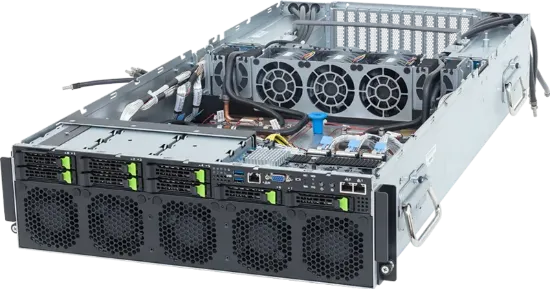
CMMC 2.0 Compliance TAA-compliant GPU server for AI Infrastructure
The Cybersecurity Maturity Model Certification (CMMC) 2.0 is the Department of Defense's unified cybersecurity standard for defense contractors and subcontractors handling Controlled Unclassified Information (CUI). For organizations deploying AI infrastructure in support of defense contracts, achieving and maintaining CMMC compliance requires careful attention to GPU server configuration, network architecture, and operational procedures.
CMMC 2.0 Levels Overview
| Level | Requirements | Assessment | Typical AI Workloads |
|---|---|---|---|
| Level 1 (Basic) | 17 practices (FAR 52.204-21) | Self-assessment | Unclassified R&D AI |
| Level 2 (Medium) | 110 controls (NIST SP 800-171 rev 2) | Self or third-party | CUI AI training/inference |
| Level 3 (Expert) | 110+ controls (NIST SP 800-172) | Government-led | Controlled AI for critical programs |
Key Controls Affecting AI Infrastructure
Several CMMC 2.0 controls directly impact AI infrastructure design and operation. Access control (AC) requirements mandate role-based access for GPU resources, training data, and model repositories. Audit and accountability (AU) requirements necessitate logging all GPU usage, data access, and model training activities. Configuration management (CM) requires baseline configurations for GPU servers with approved change control.
System and communications protection (SC) is particularly relevant for AI infrastructure. GPU data paths must be encrypted (AES-256) for CUI processing. Model weights, training datasets, and inference outputs are considered CUI when they relate to defense systems. Secure key management for encrypted GPU memory requires FIPS 140-3 validated HSMs.
AI-Specific CMMC Considerations
AI workloads introduce unique CMMC compliance challenges. Training data provenance must be documented to ensure CUI is properly identified and protected. Model weights and architectures incorporate CUI and must be stored with appropriate controls. Inference serving systems must prevent unauthorized data extraction—especially important for defense AI models containing sensitive tactical information.
NTS CMMC-Ready Configurations
NTS offers GPU server configurations pre-validated for CMMC 2.0 compliance, including TPM 2.0 secure boot, FIPS 140-3 encrypted storage, audit-logging BMCs, and TAA-compliant hardware supply chain. These configurations simplify the certification process for defense contractors deploying AI infrastructure.
Related Content
Explore more about this topic:
- AI Infrastructure for Defense and Intelligence
- FedRAMP Authorization for AI Systems
- Federal AI Procurement Guide: GSA, SEWP, ITES-4H
Do I need CMMC for all AI work?
Only AI workloads that process CUI for DoD contracts require CMMC compliance. Unclassified R&D or commercial AI work does not require certification. NTS recommends consulting with your contracting officer for specific requirements.
Can cloud AI services be CMMC compliant?
Yes, FedRAMP Moderate or High authorized cloud services can support CMMC Level 2 requirements. However, the cloud customer retains responsibility for proper configuration and data handling under the shared responsibility model.